
Cysts vs. Tumors on Dogs: What That Lump Might Mean
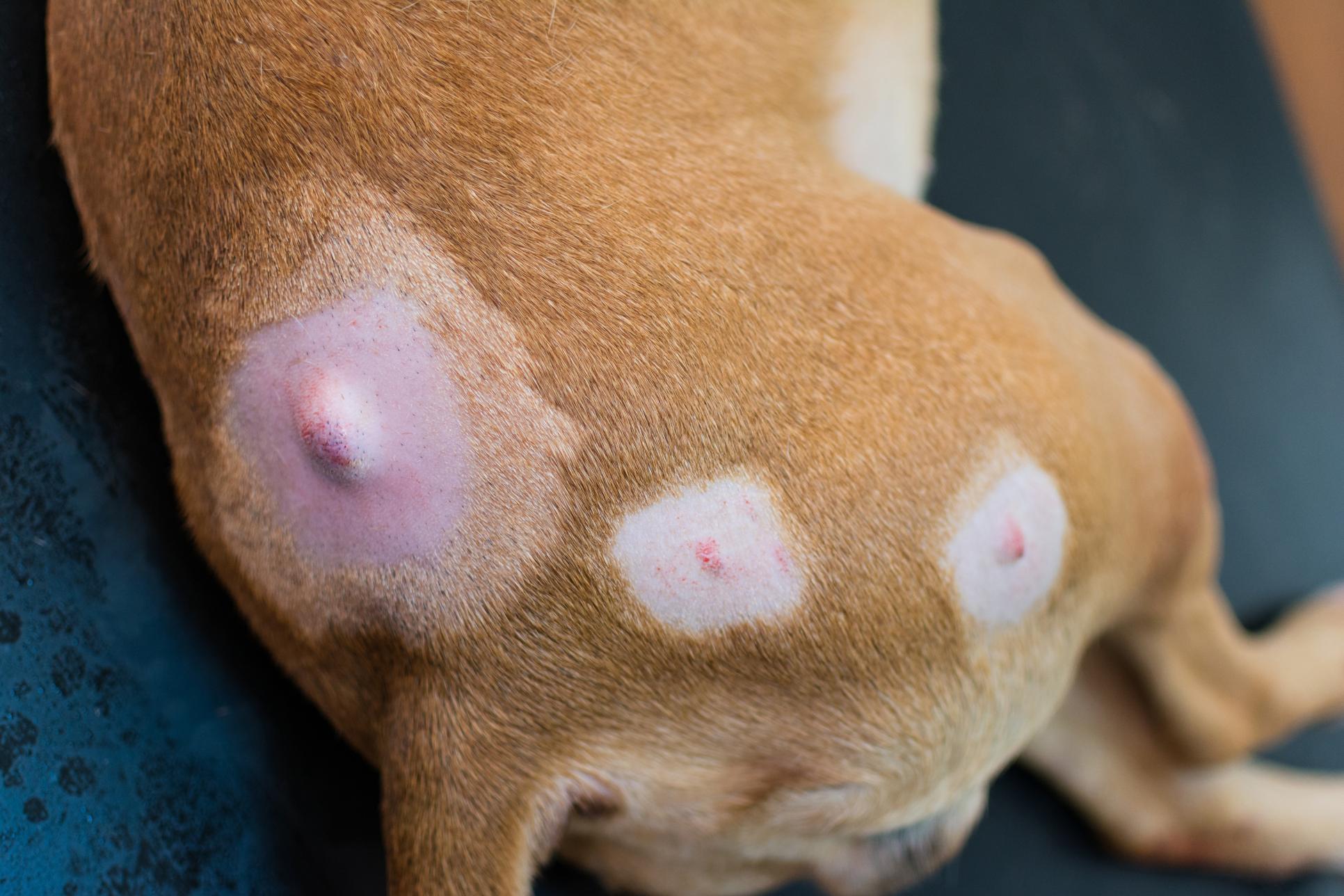
Finding a lump under your dog’s fur can be alarming, but not every bump spells bad news. In many cases, these growths turn out to be harmless cysts or skin tags—but sometimes, they’re more serious. At Sunrise Boulevard Animal Hospital in Citrus Heights, CA, our veterinarians often evaluate these lumps to determine what’s going on and whether treatment is needed.
What Are Cysts?
Cysts are among the most common lumps found on dogs. They’re small sacs filled with fluid, semi-solid material, or oil from your dog’s sebaceous (oil) glands. While they can look worrisome, cysts are typically benign, meaning they aren’t cancerous and don’t spread to other parts of the body.
They can develop anywhere, but you’ll often find them on the head, neck, or body. Most feel soft or slightly firm, and they may rupture or ooze a waxy, white material.
Common types of cysts include:
- Sebaceous cysts: Caused by blocked oil glands and often filled with sebum (a thick, oily substance)
- Follicular cysts: Develop around hair follicles and can appear hard or inflamed
- True cysts: Form when a gland or duct becomes blocked and fluid builds up inside
- False cysts: Arise after trauma and contain fluid from damaged tissue
Cysts may return after being drained, so your veterinarian might recommend surgical removal if they cause irritation or infection. The good news? Cysts don’t spread between dogs and usually don’t indicate a serious health problem.
How Tumors Differ From Cysts
While cysts are filled with fluid or debris, tumors are solid masses made up of cells that multiply abnormally. Tumors can be either benign (noncancerous) or malignant (cancerous), and it’s not always possible to tell which kind you’re dealing with by sight or touch alone.
Some common types of tumors in dogs include:
- Lipomas: Soft, fatty lumps that grow under the skin and are usually harmless
- Mast cell tumors: May appear similar to cysts, but are actually a form of skin cancer that can spread if not removed
- Melanomas: Develop from pigment-producing cells; some are benign, but those on the mouth or nail bed can be aggressive
- Adenomas and adenocarcinomas: Grow from glandular tissue; the latter are malignant and can spread to other organs
Because cysts and tumors can look similar, the only way to know for sure what your dog has is through a veterinary exam and possibly a fine needle aspiration or biopsy. These tests help identify the type of cells involved and guide the right treatment plan.
What About Skin Tags on Dogs?
If you notice a small, fleshy bump hanging from your dog’s skin, it might be a skin tag—another common, usually harmless growth. Skin tags are made of normal skin tissue and are more common in older dogs or breeds with looser skin.
They’re generally nothing to worry about unless they:
- Get snagged on collars or grooming tools
- Bleed or become irritated
- Change in size or color
In those cases, your vet may recommend removing them to prevent discomfort or infection.
When To See the Vet
Even though most lumps and bumps are harmless, it’s always best to have them checked out. Make an appointment if you notice that a lump:
- Appears suddenly or grows quickly
- Changes color or texture
- Feels firm, irregular, or fixed in place
- Leaks pus, blood, or other fluid
- Causes your dog pain or itching
Early diagnosis gives your dog the best chance for successful treatment, especially if the growth turns out to be cancerous.
Peace of Mind for You and Your Pet
At Sunrise Boulevard Animal Hospital, our veterinarians and staff take every concern seriously, even the small ones. If you find a lump or bump on your dog, don’t wait and wonder. Call us at (916) 726-2334 to schedule a visit so we can examine the area, perform diagnostic testing if needed, and discuss the best next steps for your pet’s health and comfort.