
Constipation in Cats: Why It’s More Serious Than You Think
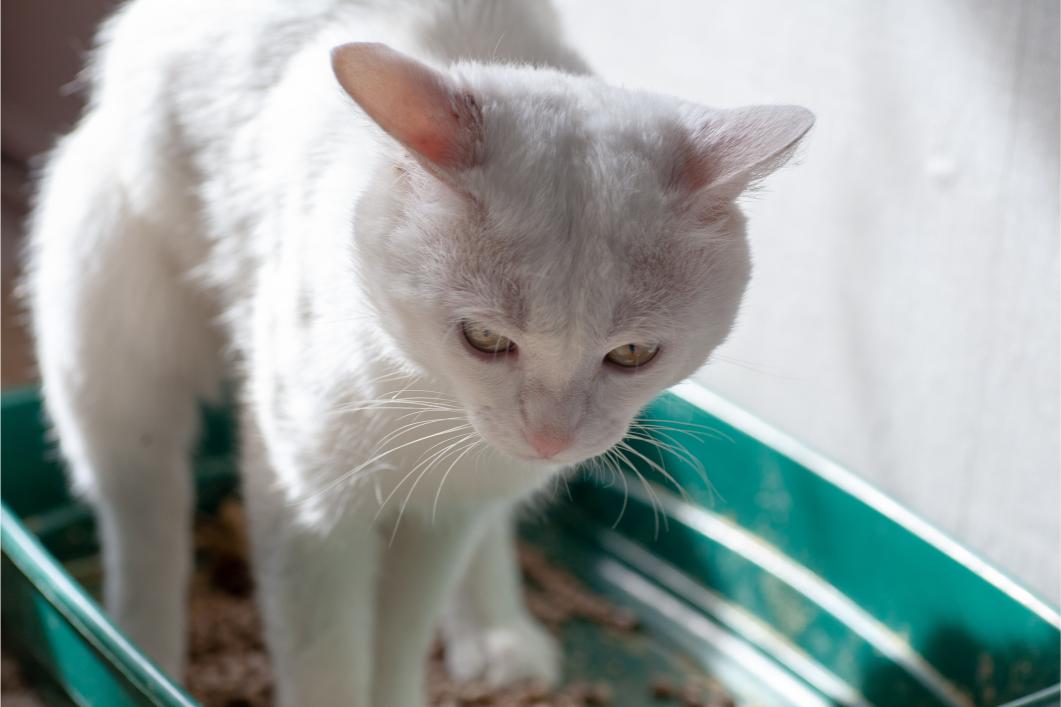
For cat owners, the litter box can seem like the center of the universe. A quiet corner filled with clues about your cat’s health, habits, and happiness, it’s often the first place you’ll notice when something isn’t quite right. While an occasional missed visit might not seem alarming, ongoing cat constipation can signal deeper feline GI issues that deserve prompt attention.
At Sunrise Boulevard Animal Hospital, we believe that heeding those subtle signs can make a meaningful difference in your cat’s comfort and long-term well-being.
When ‘Cat Not Pooping’ Becomes a Problem
Every cat has their own bathroom rhythm, but going several days without pooping—or straining without success—can be a red flag.
Common signs of cat constipation include:
- Small, hard, or dry stools
- Frequent trips to the litter box with little or no result
- Crying or vocalizing while trying to go
- Loss of appetite
- Hiding or changes in behavior
Constipation can be caused by dehydration, low-fiber diets, hairballs, pain from arthritis, stress, or underlying medical conditions. Left untreated, what starts as simple discomfort can spiral into more serious feline GI issues.
Megacolon in Cats: A Big Concern
One of the most severe feline GI issues is megacolon in cats. Primarily caused by chronic constipation, megacolon occurs when the colon becomes stretched and weakened, making it difficult or impossible for your cat to potty normally.
Signs of megacolon in cats may include:
- Lethargy or unusual tiredness
- Loss of appetite
- Vomiting
- Persistent straining in the litter box
- Infrequent or absent bowel movements
Managing Megacolon in Cats
Medical treatments, such as enemas, laxatives, and switching to a high-fiber diet, are often enough if megacolon in cats is caught in the early stages. If medical management fails, surgery to remove the diseased, enlarged section of the colon may be necessary.
Poop Patrol: What You Can Do at Home
A little “poop patrol” goes a long way toward supporting your cat’s digestive health:
- Keep fresh, clean water available at all times to encourage hydration.
- Consider adding a pet fountain.
- Offer a balanced, veterinarian-recommended diet.
- Maintain a clean, low-stress litter box environment.
- Brush your cat regularly to reduce hairball buildup, especially for long-haired breeds.
- Monitor litterbox habits and note any changes.
- If you notice repeated signs of a cat not pooping, it’s time to call your veterinarian.
Partnering for Purr-fect Digestive Health
We’re here to support Citrus Heights cat owners with compassionate care and clear guidance. From routine wellness exams to diagnosing and managing feline GI issues, our team works with you to keep your cat comfortable, confident, and content.
When the litter box tells a troubling tale, timely treatment can turn discomfort into relief. If you have concerns about cat constipation or megacolon in cats, contact our caring team at (916) 726-2334. We can help your cat get back to their playful, purring, perfectly punctual self!