

Can Dogs Get Lyme Disease in the Fall? Tick Risks Don’t End After Summer
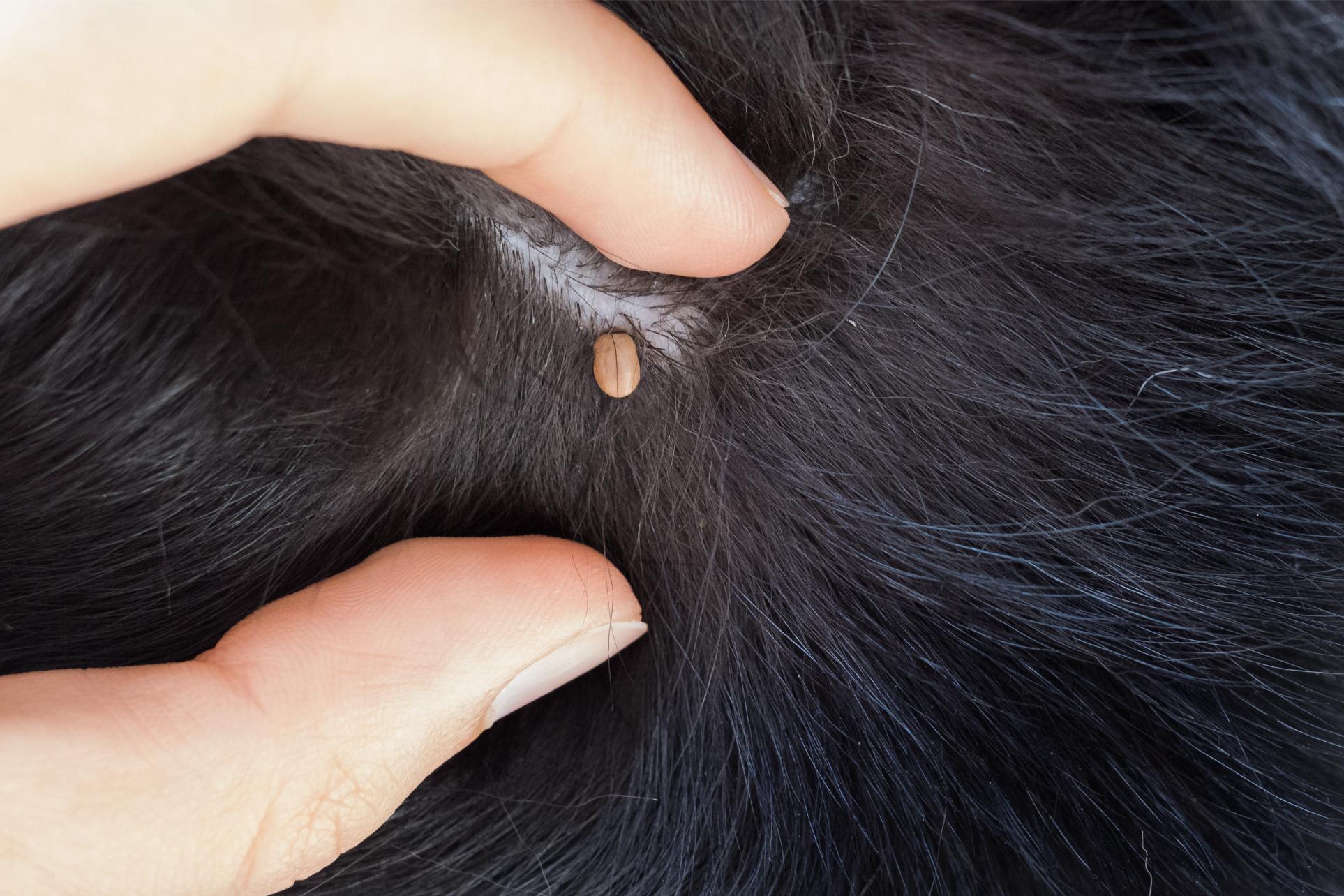
Cooler weather may make walks more comfortable, but it doesn’t necessarily send every tick into hiding. Fall ticks can remain active in mild conditions, putting dogs at risk during hikes, neighborhood walks, and backyard adventures.
At Sunrise Boulevard Animal Hospital in Citrus Heights, CA, we help families understand their dogs’ risks and choose appropriate protection year-round.
How Dogs Contract Lyme Disease
Lyme disease is caused by Borrelia burgdorferi, a bacterium transmitted through the bite of an infected black-legged tick. In California, the western black-legged tick can carry the bacteria. Although Lyme disease is more common in other parts of the country, exposure is still possible in Northern California, particularly in wooded, brushy, or grassy areas.
A tick generally needs to remain attached for some time before transmitting the bacteria, so prompt removal can reduce the risk. However, ticks can be surprisingly difficult to spot beneath a dog’s fur.
Dogs don’t transmit Lyme disease directly to people or other pets. However, a tick carried into the home on a dog could potentially attach to another animal or person.
Why Fall Tick Prevention Still Matters
Some tick species become less active during very hot, dry conditions and reemerge when temperatures cool and moisture returns. In the Citrus Heights area, relatively mild fall weather can keep ticks active well into fall.
Your dog’s risk may be higher if they:
- Walk or hike in wooded or brushy areas
- Explore tall grass, leaf litter, or dense ground cover
- Visit parks, trails, campgrounds, or rural properties
- Travel to areas where Lyme disease is more common
- Don’t receive consistent tick prevention
Even primarily indoor dogs need protection if they spend time outside. A quick bathroom break or backyard sniffing session can be enough to encounter a waiting tick.
Signs of Lyme Disease in Dogs
Many infected dogs don’t develop noticeable symptoms. When signs do appear, they may not begin until weeks or even months after the tick bite. This delay can make it difficult to link Lyme disease in dogs to a particular outdoor excursion.
Possible symptoms include:
- Fever
- Low energy
- Reduced appetite
- Swollen or painful joints
- Stiffness or difficulty moving
- Lameness that shifts between legs
- Swollen lymph nodes
Rarely, Lyme disease can contribute to serious kidney complications. Contact your veterinarian promptly if your dog develops vomiting, increased thirst or urination, swelling, or unexplained weight loss. Because these symptoms can have numerous causes, an exam and appropriate testing are essential.
How Veterinarians Test for Tick-Borne Illness
Blood testing can detect antibodies associated with Lyme disease and certain other infections. However, a positive test indicates exposure and doesn’t always mean that a dog is currently sick. Our veterinarians consider the test results alongside your dog’s symptoms, medical history, travel history, and physical exam findings.
Additional bloodwork or urine testing may be recommended to evaluate organ function and determine whether treatment is needed. Antibiotics are commonly used for dogs with clinical Lyme disease, and many improve quickly with appropriate care.
Protecting Your Dog Through Fall and Beyond
Year-round parasite prevention offers the most reliable defense against Lyme and other forms of tick-borne disease in dogs. Ask your veterinarian which product is appropriate for your dog, and administer every dose on schedule.
After outdoor activities, check your dog carefully, paying particular attention to:
- Around the ears and eyelids
- Under the collar
- Between the toes
- Beneath the front legs
- Around the groin and tail
If you find an attached tick, remove it promptly with fine-tipped tweezers or a tick-removal tool. Grasp it close to the skin, pull upward steadily, and avoid twisting or crushing it. Your veterinarian can also discuss whether Lyme vaccination makes sense based on your dog’s lifestyle and travel plans.
Schedule a Visit
Don’t let cooler weather create a false sense of security. To discuss tick prevention, testing, or Lyme vaccination with Sunrise Boulevard Animal Hospital, call (916) 726-2334 to book an appointment.