
Why Is My Dog Scooting? Anal Gland Problems Explained
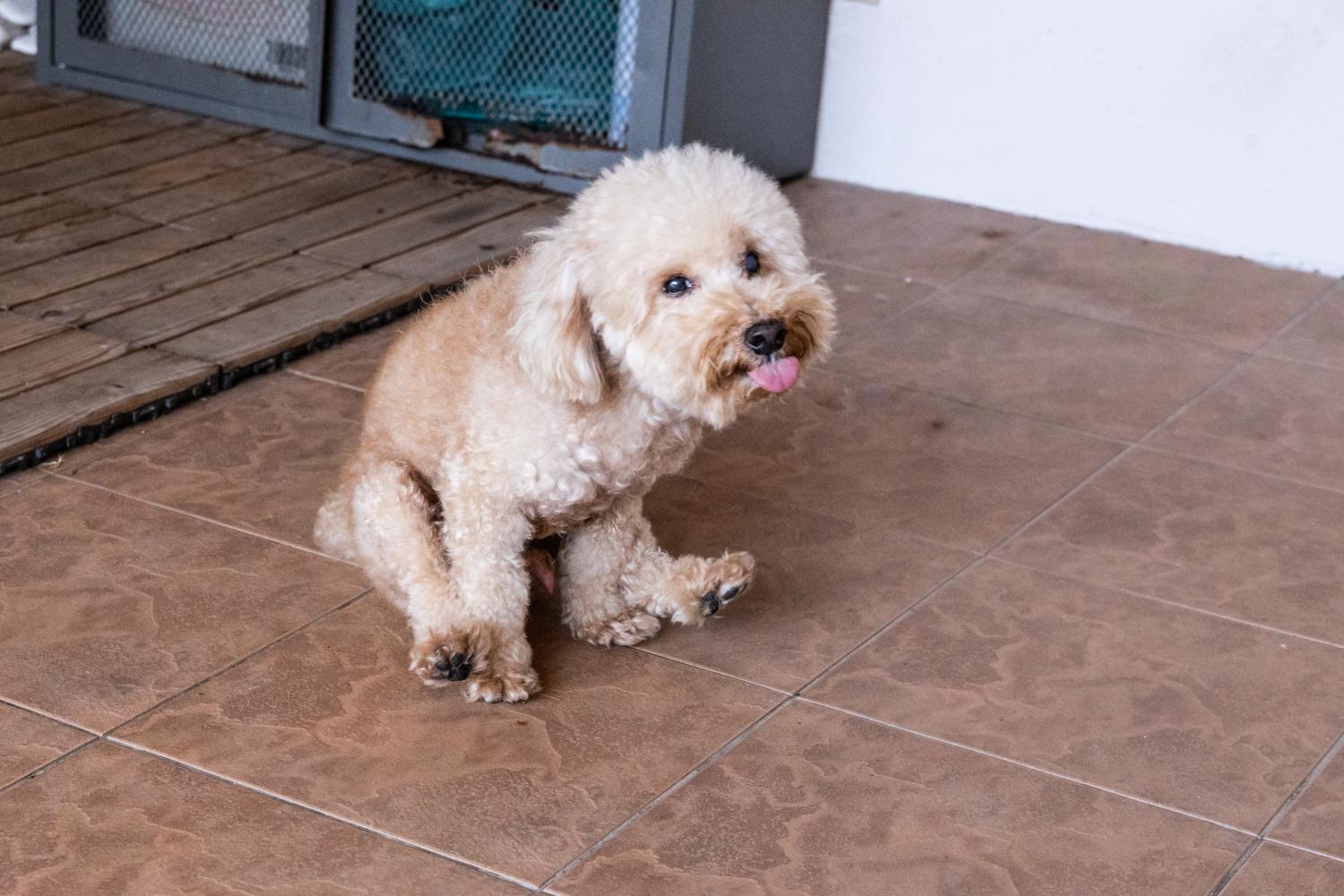
Ah, yes, the infamous “boot scoot boogie.” One minute your dog is minding their business, the next they’re dragging their backside across your freshly cleaned carpet. Funny? A little. Normal? Sometimes. Worth investigating? Absolutely.
A dog scooting on the floor is often your canine companion’s way of saying, “Something back there isn’t quite right.”
In this blog, our team at Sunrise Boulevard Animal Hospital gets to the bottom of anal gland issues in dogs.
What’s Behind All That Scooting?
Dogs have two small glands located just inside the rectum that release a scent-marking fluid. Normally, these glands get emptied naturally due to the pressure when a dog has a bowel movement. When these glands don’t get expressed naturally, that’s when anal gland issues in dogs (and all the scooting) begin.
Signs of Anal Gland Issues in Dogs
A dog scooting on the floor typically attracts the most attention, but it’s not the only clue. These additional symptoms can point to impacted or irritated glands that need attention:
- Dog licking rear end frequently
- A fishy or unusually strong odor
- Swelling or redness near the anus
- Discomfort when sitting
When It Becomes a Dog Anal Gland Infection
Left untreated, simple irritation can become a dog anal gland infection, and that’s when things get more serious. At this stage, your dog isn’t just uncomfortable; they’re in pain and need veterinary care.
Signs of a dog anal gland infection include:
- Increased pain or sensitivity
- Visible swelling or even an abscess
- Discharge or bleeding
- Lethargy or changes in behavior
Why Do Anal Gland Issues in Dogs Happen?
It’s not always something you can prevent, but several factors can contribute to anal gland issues in dogs, and recognizing them early—and seeking veterinary support—can make a big difference.
Watch for these common indicators:
- Soft stools that don’t naturally express the glands
- Smaller breeds with weaker muscles (or tiny stools) that inhibit natural expression
- Allergies that cause inflammation
- Obesity, which can affect normal gland function
- Anatomical differences in some dogs
What Should You Do?
A one-time scooting episode probably isn’t anything to worry about. But frequent scooting or additional symptoms mean it’s time to act.
Avoid trying to handle the problem yourself unless you’ve been properly trained. Improper anal gland expression can cause injury or worsen irritation.
Our team at Sunrise Boulevard Animal Hospital can safely express the glands, check for infection, and recommend solutions to prevent future flare-ups.
Keeping the Scoot to a Minimum
To help reduce the chances of repeat performances:
- Maintain a healthy diet that supports firm stools.
- Keep your dog at a healthy weight.
- Address underlying allergies with your vet’s guidance.
- Schedule regular checkups.
Scooting might look like a quirky canine dance move, but it’s usually a sign your dog needs help. Contact us at (916) 726-2334 to restore your pup’s comfort and health.