

Foxtails and Foreign Bodies: A Common Spring Emergency in Dogs
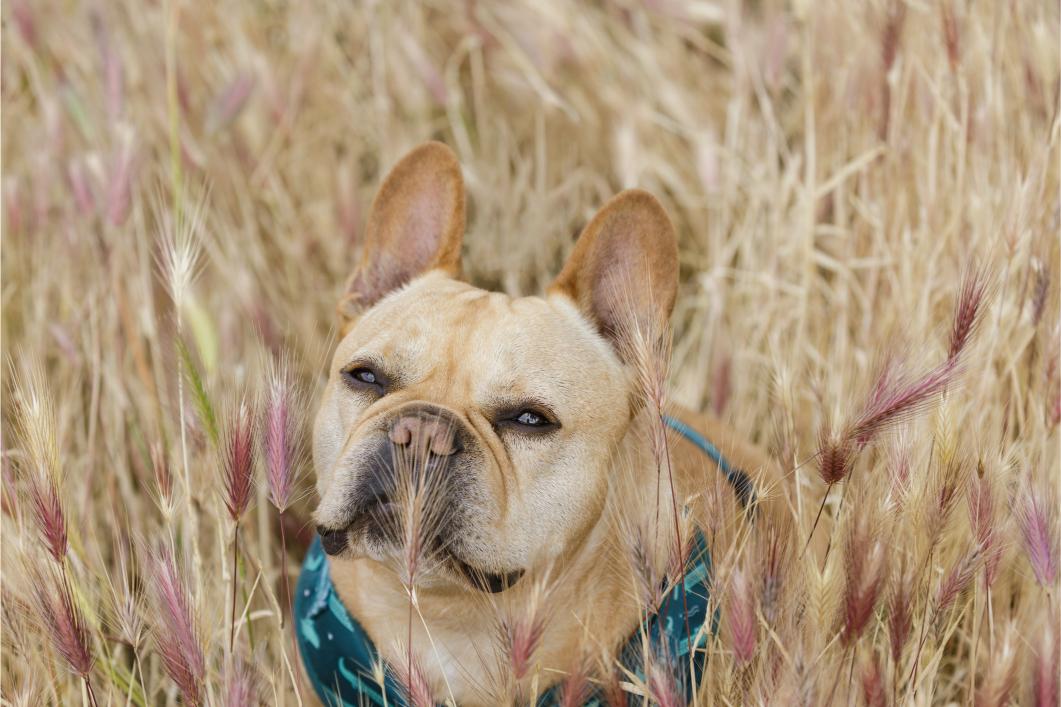
Spring brings sunshine, longer walks, and fields full of waving grass. Hidden among that greenery, however, is a seasonal hazard many dog owners have never heard of until it causes trouble: foxtail. This invasive, annual grass produces grass awns, which are small, spiky seed heads with backward-pointing barbs that allow them to move forward but not backward.
Designed to burrow, foxtails cling to fur and work their way into skin, ears, noses, and paws. Once embedded, they do not break down naturally. Instead, they continue to migrate, creating painful infections and serious complications.
Grass awns in dogs can quickly turn an ordinary outing into a medical emergency. In this blog, our team shares valuable tips to help you protect your dog from the health hazards of foxtails and other forms of grass awns in dogs.
Where Foxtails Cause the Most Trouble
Because of their shape, foxtails are infamous for lodging in sensitive spots, particularly between the toes when dogs walk through tall grass. These prickly awns pierce the skin and travel deeper, quickly becoming a painful foreign body in dog paw tissue.
Other high-risk areas include:
- Ears, leading to head shaking and sudden discomfort
- Nose, causing sneezing fits or nasal discharge
- Eyes, resulting in redness and squinting
- Skin and coat, where seeds burrow beneath the surface
Foxtail Dog Symptoms to Watch For
Early recognition is essential. Foxtail dog symptoms often appear suddenly after outdoor activity. Contact your emergency vet for foxtail removal if you notice:
- Persistent licking or chewing at a paw
- Sudden limping or tenderness
- Head shaking or pawing at the ears
- Repeated sneezing
- Swelling, redness, or draining sores
- Signs of pain or agitation
Because foxtails continue to move once inside the body, delays in treatment can make removal more difficult.
At Sunrise Boulevard Animal Hospital, prompt care is available for suspected grass awns in dogs or a foreign body in dog paw tissue. Sedation, imaging, or specialized tools may be needed to safely locate and remove the foreign material.
Prevention During Foxtail Season
A few precautions can reduce your pet’s risk of complications from foxtails:
- Avoid walking dogs through tall, dry grass
- Check paws, ears, and coats after outdoor play
- Keep fur trimmed around feet and ears
- Remove foxtail weeds from your yard when possible
Small Seed, Serious Problem
Foxtails may look harmless, but their ability to burrow makes them a genuine threat to canine health. Fast action protects your dog from pain and infection. If you suspect a foxtail injury, seek veterinary care right away.
Contact us at (916) 726-2334 if your dog has experienced a foxtail encounter or if it’s time for your pup’s wellness visit. With awareness and attentive care, you and your dog can enjoy the beauty of spring while sidestepping one of its prickliest pitfalls.